Knowing What I Don't Know
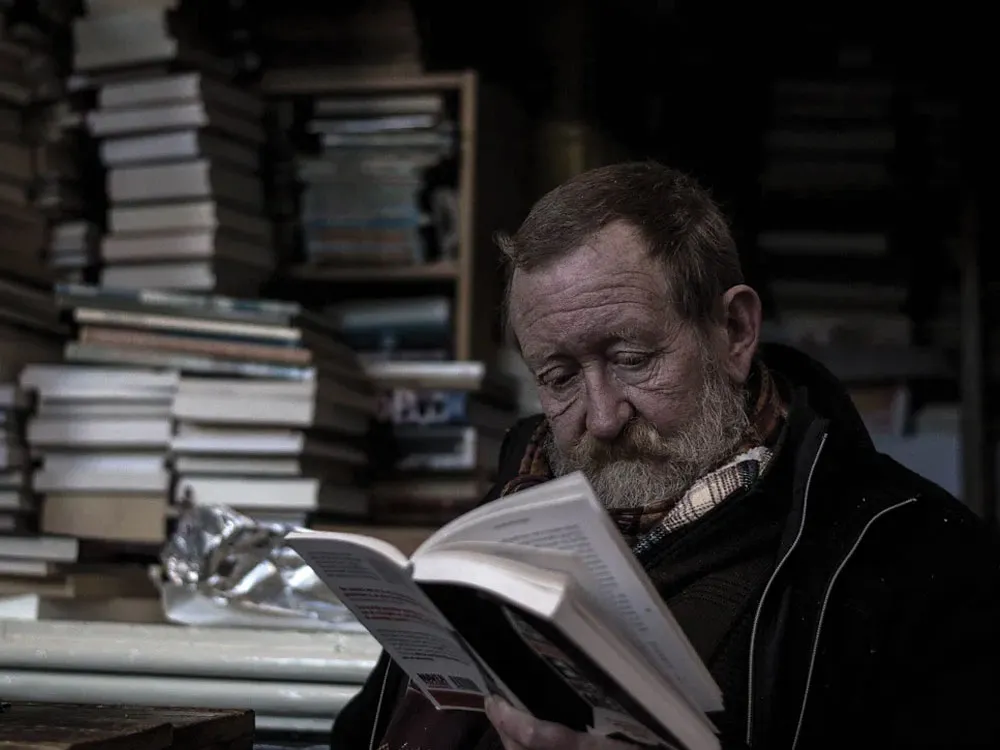
Photo by Jilbert Ebrahimi, via Unsplash.
Back in the fall of 2021, after almost two years of living in Covid-induced isolation, hunkered down in my one-bedroom apartment with only my cat and my TV for company, I moved into a 20-resident communal house in downtown Boston. Suddenly, after living alone for 20 years, I was surrounded by Millenials and Gen-Zers; my housemates ranged from 21 to 57, and I was the senior resident by almost a decade.
Six years ago, shortly before I turned 60, I left my day job at Endicott College on the North Shore. Though semi-retirement was an adjustment, I was out and about, teaching memoir writing at GrubStreet in Boston, hitting the gym, and meeting friends for lunch or dinner. Living alone suited me until it didn't; once Covid appeared and my modest social life withered to nothing, I hungered for connection, for something beyond faces on a screen. But when Covid hit, my teaching migrated online, and much of my social contact took place over Zoom, a pale replacement for the real thing–in person contact.
Now that I've lived at the Beacon Hill Friends House, a Quaker-affiliated residence for more than a year, I can say that the pros have outweighed the cons –my housemates are generally friendly, considerate, and fun to be with. Still, when I'm reminded that I am older than some, if not most, of their parents, it's hard not to feel like the Junior-Senior Citizen I am, and to confront the reality that I am (much) closer to the end of my life than to its beginning.
The Friends House is designed for people in transition–one can stay for a maximum of four years, and since I lived here, with a totally different cast of characters in the mid-1990s, (before some of my housemates were born!), I can only stay at the House for one more year.
Many of my housemates are going to graduate school, becoming engineers or IT professionals, or taking on their first real jobs after college. Meanwhile, I'm a part-time teacher and storyteller, a semi-retired writer who is collecting social security and has no idea where he'll be living a year from now.
Back in the 1980s, when I was in my 20s, I thought most folks over 40 had figured things out and had the answers to who they were and what they wanted. And maybe some did, and still do. But now, on the other side of that great divide, I'm still in transition, and still trying to figure out who and what I want to be when/if I grow up.
In some ways, I can relate to my housemates, who are figuring out what to do with their newly-minted degrees, or where to look for work once their time at the house comes to an end. But one difference is that their lives seem to be about unlimited possibilities, full of the promise of unfulfilled dreams and the luxury of time. Meanwhile, I'm aware of the ticking clock, and know that some doors are closed to me and cannot be reopened.
Maybe that's a small bit of wisdom I've gathered in my six-plus decades on the planet:
I've come to realize that I'll never have the answers to life's big questions. And I'll never have a road map or a sense of certainty for what comes next, not even at the end.
Judah Leblang is a writer, teacher, and storyteller in Boston. He will be performing his one-man show, "It's Now or Never: My Life in the Late Middle Ages" at the Assemblage Art Space in the Seaport on Thursday December 29 at 7 PM, as part of Boston's Pop-up Fringe Festival. Get your ($10) tickets at: https://www.eventbrite.com/e/its-now-or-never-fpac-pop-up-fringe-festival-tickets-465955775267